
Weaving Heritage Into Modern Homes: The Story of Kalaa
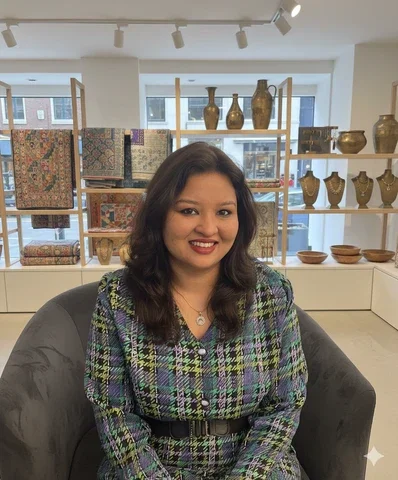
When Divya moved into a new home in Norway, she went looking for interior pieces with some colour and character to them, something distinctive, something handmade. It turned out to be surprisingly hard to find. Most of what she came across felt neutral and mass produced, made for no one in particular. Having grown up in India, surrounded by artisans working in techniques passed down within their families for generations, she recognised that what was missing was not just colour. It was the story behind an object and the hands that made it.
That gap became the idea for Kalaa, a platform built to bring that heritage into Norwegian homes while giving small and medium sized Indian artisans a way to reach people far beyond their local markets.
What "Kalaa" Means
The company takes its name from "Kalaa," the Sanskrit word for art. For Divya, Kalaa was never meant to be just an online shop for interior products. It is a platform for artists and families who have kept specialised craft techniques alive across generations. Many of the pieces featured by Kalaa are handcrafted by small-scale artisans using techniques passed down through generations, reflecting Divya’s commitment to curating distinctive work rooted in authentic cultural traditions. Every product remains under the artisan's own brand name and is never white labelled as Kalaa's own. The identity of the maker, the history of the craft, and the skill behind each piece are all part of its value. Kalaa acts as a bridge between traditional makers and modern homes. Each piece carries a connection to the artisan, their community, and the craftsmanship behind it. The aim is not only to bring beautiful handmade objects into people's homes, but also to create conversation and encourage people to discover the stories and traditions behind them.
Leaving Almost Twenty Years in IT
Before launching Kalaa, Divya Khandelwal worked for nearly twenty years in IT consulting, helping businesses deliver tech solutions. Looking for a fresh path that allowed for more hands-on creativity and personal passion, she chose to step away and take time to plan her next step. That break led directly to Kalaa. Bringing together her experience in digital marketing, tech leadership, and her love for painting and craft, Divya built a business centered on true creativity, purpose, and community.
Learning Everything, All At Once
Moving from a structured career in IT into entrepreneurship meant entering an entirely different world. As a solo founder, Divya has had to learn almost every part of building and operating a retail business herself. Her responsibilities include managing the online store, ecommerce, SEO, digital marketing, packaging, sales, logistics, quality control, finances, and customer communication. She also participates in physical markets, where setting up a stall and introducing the products directly to customers gives her a very different experience from selling online. The learning curve has been steep, particularly when it comes to the financial side of running a company. The emotional toll is just as real. Divya Khandelwal has spent few full weekends at a physical market and gone home without a single sale. Pushing forward matters, she has learned, but so does protecting her own time. Those experiences have taught her that persistence matters, but so does protecting her own time and energy. Building a business, in her view, should not come at the cost of the person building it.
Operations and Growth
Kalaa operates from Norway and manages its products directly rather than using a dropshipping model. Every piece is imported, quality checked, and presented with clear information about its dimensions, origin, and the artist or craft behind it. The website is available in both English and Norwegian, helping customers understand the products and the business they are buying from. As the pieces are handmade, small variations are natural, but each product must still meet Kalaa's quality standards. Sustainability is also part of how Kalaa operates. Many products are made using natural materials and traditional processes, supporting skilled craftsmanship and smaller scale production rather than mass manufacturing. For future growth, Divya is focused on increasing organic traffic to the online store while developing corporate gifting, seasonal gifting, and partnerships with physical retailers. These collaborations can give customers the opportunity to experience the products in person while helping Kalaa reach a wider audience across Norway and Europe.
Measuring Success Beyond the Sale
Revenue keeps the business running, but for Divya it was never the only measure of progress. Just as important is introducing customers to art forms they might never have encountered, keeping artists identities visible, and helping traditional skills find a place in a modern, international market. When a customer chooses a piece because of the story and craftsmanship behind it, that is when she knows Kalaa is doing what it set out to do. The larger goal is to create awareness and appreciation around the people and traditions that made the product possible.
Reaching the First Business Milestones
Despite the challenges of establishing a retail brand independently, Kalaa began reaching important milestones during its first year. Within approximately eight months, the company had grown enough to register for VAT, marking an important stage in its development. Kalaa also began expanding its reach beyond its own online store by introducing products to larger marketplaces, and on to the retail shelves. For Divya, milestones like these are important because they provide signs of progress during a journey where growth is rarely immediate. Rather than measuring the business only through major achievements, she has learned to recognise the value of smaller steps that gradually build momentum.
Her Advice to Other Founders
Divya's experience building Kalaa has shaped the practical advice she gives to people considering
starting a business of their own:
● Plan for operating costs: Set aside part of the budget for ongoing expenses instead of investing everything in the initial launch.
● Use free tools first: Make use of free tools wherever possible before committing to multiple paid subscriptions, as recurring costs can quickly add up.
● Think long term: Approach the business with a three to five year perspective rather than expecting immediate results.
● Value small milestones: Slow days are part of the process, so recognising smaller achievements can help show that the business is still moving forward.
● Protect your time: Build at a pace that leaves room for life outside the business. A sustainable business should support the person behind it, not consume them.
Connecting With Kalaa
Kalaa is continuing to build relationships with artists, businesses, retailers, and people interested in learning more about the journey of creating an independent retail business. Artists looking for a platform that can introduce their work to new audiences are welcome to connect with Kalaa to explore potential opportunities. Companies interested in corporate gifting, customised Christmas gifts, employee gifts, client gifts, or other business solutions can also reach out to discuss possible collaborations. Divya is equally open to connecting with other entrepreneurs and people who have practical questions about launching or operating a retail business from the beginning. Sharing experiences, challenges, and lessons is part of the wider entrepreneurial journey she hopes to encourage as Kalaa continues to grow.
To connect with Divya or explore her work, visit the website, send an email, or follow along on Instagram.
Website: Kalaa | Håndlaget keramikk, tidløs mote og interiør
Instagram: Kalaa Norway (@kalaa.norway.official) • Instagram-bilder og -videoer
Email: email@kalaa.no