
Building SosEnt Norge and the Future of Social Entrepreneurship in Norway
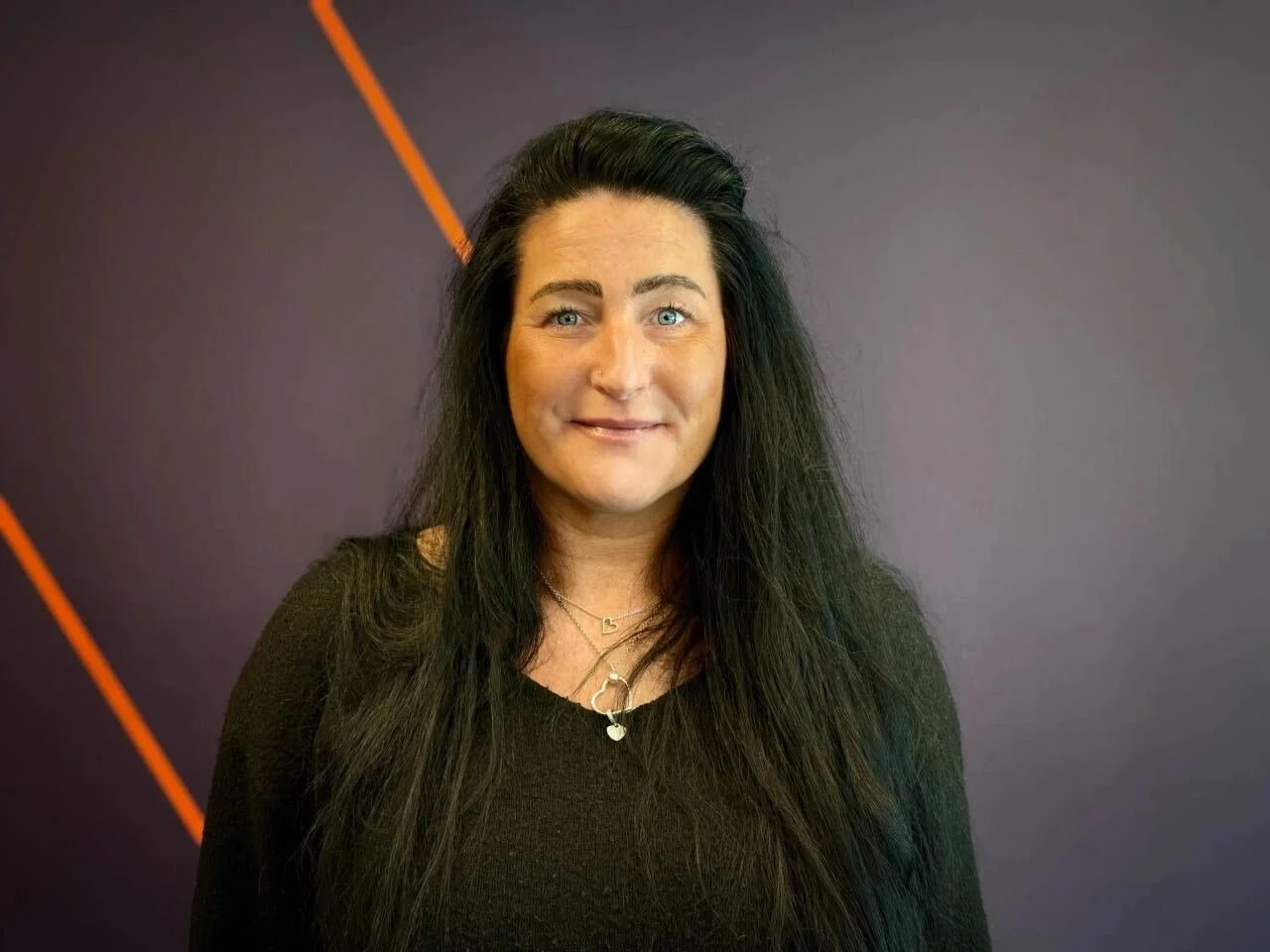
Helle Rødahl is a Norwegian social entrepreneur, ecosystem builder, and advocate for inclusive employment and social innovation in Norway. After working for twelve years in NAV, she founded Utafor Boksen, a social enterprise focused on helping people who have fallen outside traditional working life, regain confidence, purpose, and employment opportunities. Through her work, she has employed individuals with diverse backgrounds ranging from long-term unemployment to addiction and criminality, always focusing on people’s potential rather than their limitations.
Today, Helle is also one of the founders of SosEnt Norge, Norway’s first and emerging national organization for social entrepreneurs. She works actively to strengthen the social entrepreneurship ecosystem, create better legal frameworks, and ensure that socially driven businesses receive greater recognition and support across Norway.
From NAV to Social Entrepreneurship
Before founding her own company, Helle worked in NAV for twelve years. During that time, she repeatedly saw people become trapped in long-term cycles of unemployment, illness, and dependency. Many lost confidence in themselves after years in the system. One woman in particular became the starting point for everything that followed. After years inside the NAV system, she shared a simple dream: preventing young people from ending up in the same situation as her. That conversation became the foundation for Helle’s first social enterprise and later her broader work within the social entrepreneurship ecosystem.
The Story Behind “Utafor Boksen”
Helle’s company, Utafor Boksen, began with a small community initiative involving free firewood for people in need. Together with volunteers and young people struggling to find their place in society, the organization started chopping and delivering wood to vulnerable families. What started as a small local effort quickly grew into a social enterprise employing people who had previously been outside of the working life, including former drug addicts, people with criminal backgrounds, and individuals facing mental health challenges.
Today, the company has grown into a thriving operation with nine employees. Many of those hired were initially considered “not ready” for employment, yet being trusted with responsibility and receiving a paycheck changed how they saw themselves. Helle describes this transformation as one of the most powerful parts of social entrepreneurship: when people are treated as resources instead of problems, they begin believing in themselves again.
Building a Framework for Social Entrepreneurship in Norway: Why SosEnt Norge Was Created
For years, social entrepreneurs in Norway have operated without a clear framework, legal structure, or an organization representing their interests. According to Helle Rødahl, this gap became impossible to ignore after years of working directly with people who struggled to fit into existing systems. Social entrepreneurs often work somewhere between commercial companies and volunteer organizations, yet Norway has no official category that reflects this reality. SosEnt Norge was created to become that missing “home”, an organization that can unite social entrepreneurs, advocate for legal recognition, and create better conditions for those working to solve social challenges through entrepreneurship.
Creating a National Organization
The idea for SosEnt Norge became concrete after Helle spent years searching for organizations that could represent social entrepreneurs. Again and again, she experienced barriers due to the the fact that no framework existed. A turning point came in late 2024 when Samfunnsbedriftene invited social entrepreneurs and ecosystem actors to discuss the challenges they faced. During that meeting, it became clear that many shared the same frustrations: lack of recognition, unclear regulations, limited political understanding and interest in social entrepreneurship.
Although several previous attempts at building an organization had failed, the momentum was finally there. Four people stepped forward to begin the work: Helle Rødahl, Rune Kvarme from Samfunnsbedriftene, and fellow social entrepreneurs Nina Solberg and Anita Bakken. Together, they founded SosEnt Norge in 2025.
A Growing Movement
Only a few weeks after hosting its first conference, SosEnt Norge had already grown from nine members to more than thirty. Participants travelled across Norway, from Kristiansand to Finnmark, demonstrating the strong national interest in building a stronger social entrepreneurship ecosystem.
The organization’s immediate focus is now membership growth, securing funding, and building long-term sustainability. Helle believes Norway may already have between 1,000 and 2,000 social entrepreneurs, many of whom are still unaware that they fit within that category. The long-term goal is to create an organization that can support itself financially through memberships while also receiving strategic support from municipalities, the state, and private partners.
Why Norway Needs Social Entrepreneurship
Helle believes Norway is entering a period where social entrepreneurship is becoming increasingly necessary. While Norway remains a wealthy country, public services are under growing pressure, and fewer people are available to support an increasing number of social challenges. Social entrepreneurs, she argues, can become an important complement to the welfare state by creating innovative solutions to complex societal problems.
At the same time, she believes Norway has become too dependent on the state. Compared to countries where communities and families traditionally support one another more directly, Norwegians have become used to expecting institutions to solve most challenges. Social entrepreneurship represents a different approach, one built on local initiative, community involvement, and people taking action themselves.
The Need for a Legal Framework
One of the biggest challenges facing social entrepreneurs in Norway is the lack of a clear legal identity. Currently, organizations must either register as commercial companies or as volunteer organizations, even when they operate somewhere in between. This creates confusion for municipalities, investors, and public institutions that struggle to understand how social enterprises function.
For SosEnt Norge, one of the most important goals is therefore political advocacy. By working closely with policymakers, ministries, municipalities, and NAV, the organization hopes to establish clearer legal structures and recognition for social entrepreneurship in Norway. Helle believes this framework would benefit not only entrepreneurs themselves, but also public institutions and foundations looking to collaborate with impact-driven organizations.
Building Partnerships and Support Systems
In addition to political work, SosEnt Norge is also developing practical support systems for members. The organization is already in dialogue with banks, accounting firms, insurance companies, pension providers, and foundations to create affordable services and strategic partnerships for social entrepreneurs.
Helle also hopes Norway can eventually introduce certification systems similar to those already used in countries like Denmark. Such systems could help define standards for social entrepreneurship and make it easier for both funders and public institutions to identify organizations creating measurable social impact.
Discovering Social Entrepreneurs Before They Discover Themselves
Alongside her work with SosEnt Norge and Utafor Boksen, Helle also works at Søndre Unlimited, where she supports early-stage social entrepreneurs. Many people arrive with ideas for solving local problems without realizing that what they are building is actually a social entrepreneurship.
One example she highlights is a former teacher, hip-hop artist, and songwriter who wanted to increase the number of women and minorities producing music. After receiving support and development help, the project grew rapidly, eventually allowing its founder to leave her teaching job and work full-time on the initiative, and also creating new jobs in her enterprise. Stories like this, Helle says, show how important it is to create spaces where people can develop socially driven ideas into sustainable organizations.
Changing the Narrative Around Social Entrepreneurship
Another challenge facing the sector is perception. Social entrepreneurship is often viewed as “small,” dependent on grants, or less ambitious than traditional startups. Helle believes this mindset needs to change. Social enterprises can also scale, create jobs, and become financially sustainable while generating social impact.
She argues that Norway must stop separating “real business” from “social impact.” Technology startups and social entrepreneurship are not opposites; they can overlap. What matters is whether the organization solves real societal challenges while building something sustainable.
Looking Ahead
Looking ten years into the future, Helle hopes social entrepreneurship in Norway will no longer need explaining. Her vision is for a nationally recognized sector with a legal framework, strong political support, and thousands of active members working across the country.
Most importantly, she hopes social entrepreneurship becomes understood as a natural and necessary part of Norwegian society, not as a niche concept, but as a powerful way of combining business, innovation, and social responsibility to solve the challenges of the future.
Advice for Future Social Entrepreneurs
For people considering starting a social enterprise, Helle’s advice is simple: talk to people who have already walked the path before you. She encourages aspiring founders to connect with incubators, mentors, and existing ecosystem actors instead of trying to build everything alone.
She also believes people should not be afraid to share their ideas. Many social entrepreneurs hesitate because they fear someone else will take their concept, but Helle argues that openness, collaboration, and community are essential to building meaningful social impact.
As SosEnt Norge continues to grow, the organization welcomes social entrepreneurs, supporters, municipalities, businesses, and everyone committed to creating positive social impact to join the movement. Becoming a member is an opportunity to help shape the future of social entrepreneurship in Norway, strengthen opportunities for impact-driven initiatives, and connect with a growing national community of changemakers. To become a member and learn more, visit the SosEnt Norge registration page https://www.sosent.no/
